
▶️ In Brief
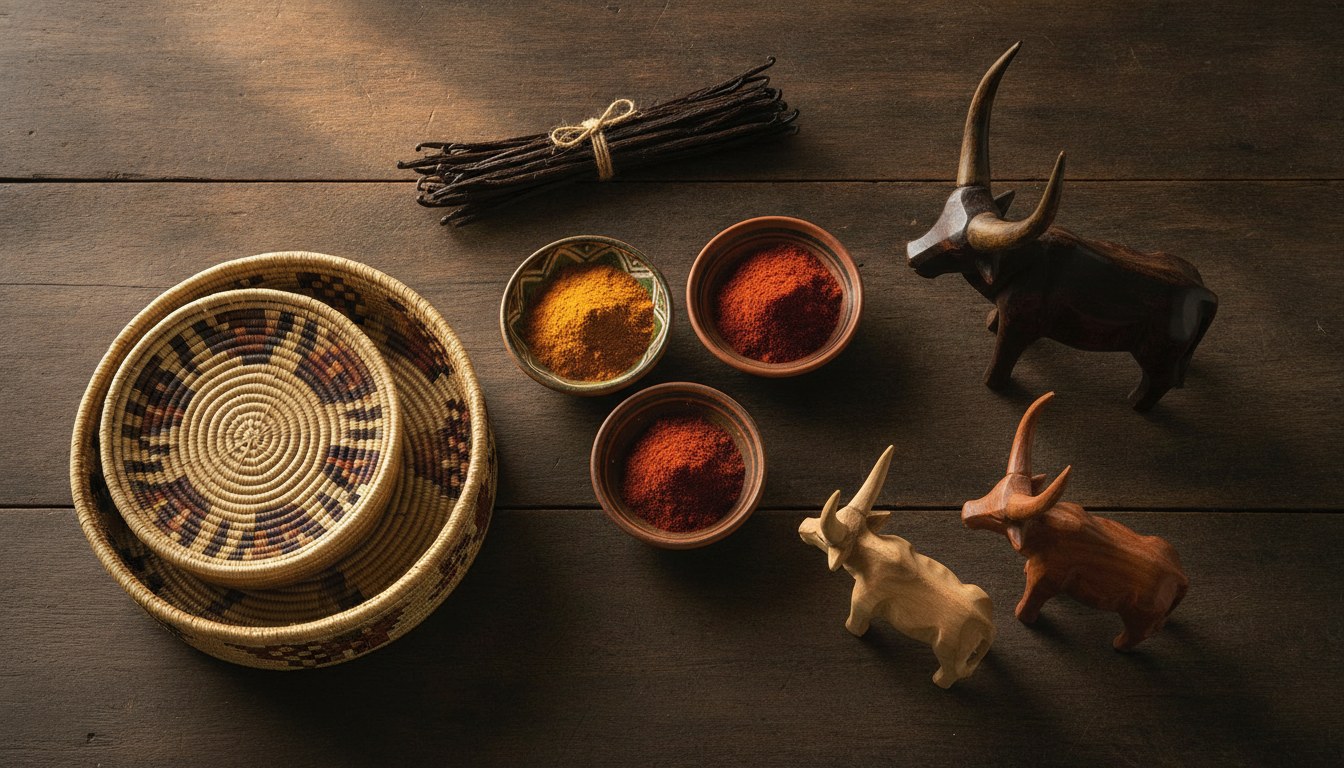
From Madagascar, you mainly bring back vanilla, spices and crafts. Vanilla is capped at 2 kg per tourist for export. Arranged rum travels in the hold, and gemstones require a certificate. Coral, rare shells and protected animal skins are banned.
Madagascar brims with authentic souvenirs, often far more affordable than you might expect. Vanilla, spices, precious woods and arranged rum top the packing list. Here is what to bring back, at what price, and which customs rules to respect.
Madagascar vanilla, the star souvenir
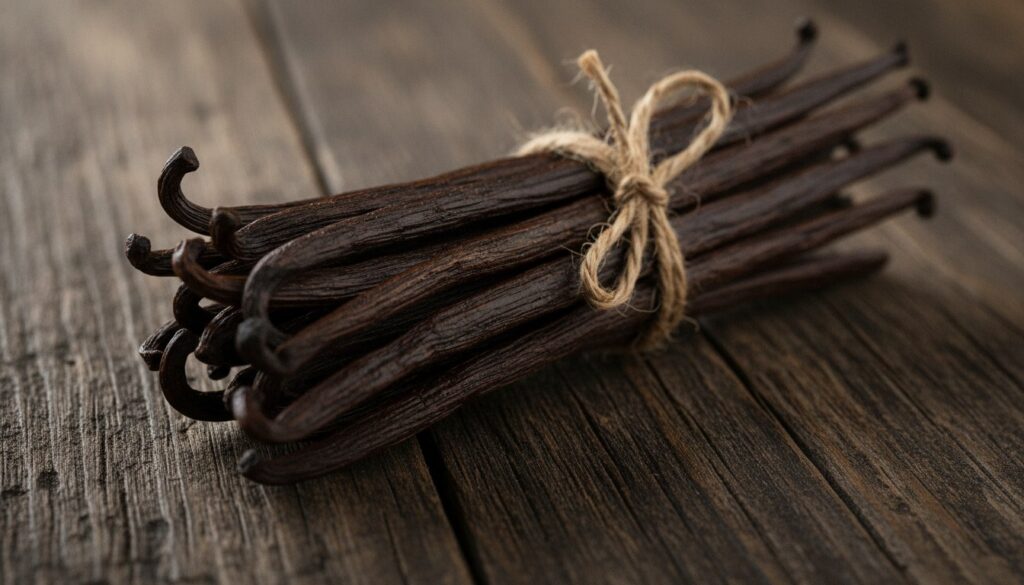
Madagascar is the world’s leading producer of vanilla, a widely recognised national pride. Its black, plump pods win people over with their intense scent and quality. For export, the amount stays capped at two kilos per tourist, which is plenty.
Spices and flavours to take home
Wild pepper, clove and pink berries scent every market on the island. Cinnamon, turmeric and combava round out this spice basket with ease. Each product stays capped at one kilo for export, so spread out your buys.
Malagasy coffee and cocoa
The Sambirano cocoa ranks among the world’s best, awarded in several international contests. Its dark chocolate travels home as bars, light and easy to carry. It is a treat that always pleases friends and family on return.
Malagasy coffee, grown at altitude on the Highlands, also deserves a place. Bold robusta or milder arabica, each suits a different taste. Buy it as beans rather than ground, to keep all its aroma.
Malagasy crafts (wood, raffia, embroidery)
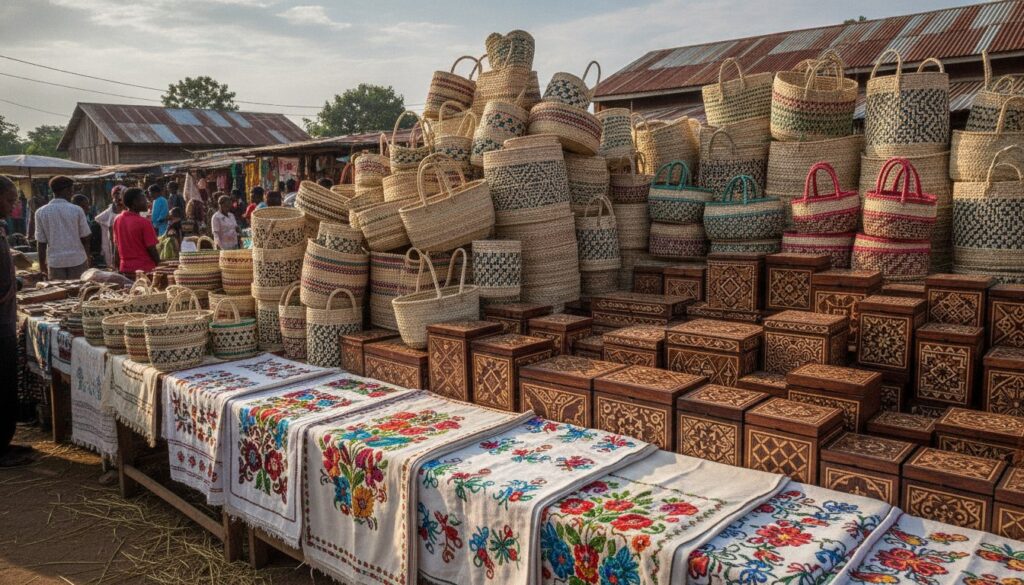
Malagasy artisans work rosewood and ebony with great finesse of execution. You find chess sets, statuettes and the valiha, the local tube zither. Woven raffia and embroidery complete this fine range of know-how.
Textiles: lamba, wild silk and lambahoany
The lambahoany is a colourful cloth printed with Malagasy proverbs, both pretty and useful. It serves as a sarong, a tablecloth or simple wall decoration at home. Light and typical, it slips into the smallest bag with no effort.
Malagasy wild silk yields scarves and shawls of real elegance. Hand-woven on traditional looms, it carries an ancient craft. It is a refined, durable gift that travels easily in a suitcase.
Arranged rum
Arranged rum steeps tropical fruit, spices and vanilla in a local rum. This convivial speciality livens up aperitifs and extends travel memories. It travels in the hold only, well wrapped and compliant with airline rules.
Gemstones (with a certificate)
Madagascar holds many gemstones, precious and semi-precious, from sapphire to amethyst. To bring some home legally, always demand a certificate from the seller. Customs may request this document as you leave the island.
What you may not bring back
Some souvenirs remain strictly banned for export, despite sometimes open sale on markets. Coral, rare shells and protected animal skins fall into this group. Avoid them completely, even offered cheaply by an insistent seller.
⚠️ Warning
Buying coral or a turtle shell directly feeds an illegal, destructive trade. These items are seized at customs and carry heavy penalties. Always refuse them, whatever price the market seller announces.
Souvenir budget: what prices to expect
Malagasy souvenirs stay very affordable for a traveller on a European budget. Prices vary mostly by place of purchase and product quality. The table below offers a few benchmarks to plan your gift envelope.
| Souvenir | Indicative price |
|---|---|
| Vanilla pods (100 g) | 5 to 12 € |
| Chocolate bar | 2 to 4 € |
| Lambahoany (cloth) | 3 to 8 € |
| Arranged rum (bottle) | 5 to 15 € |
| Rosewood statuette | 10 to 40 € |
Bargaining at the market: the codes
Bargaining is part of the game on Malagasy markets, where the first price is up for discussion. It works with a smile and good humour, never with aggression. A stated price often drops sensibly after a few polite exchanges.
The stall-to-stall comparison stays your best ally before opening your wallet. Buying several items together also helps you earn a gesture from the seller. Stay courteous throughout, as the human bond matters as much as the final price.
Essential oils and Malagasy scents
Ylang-ylang, an emblematic flower, ranks among the most fragrant grown on the main island. Its essential oil, prized in perfumery, travels home in small bottles. Ravintsara, valued for its properties, also appeals to fans of natural care.
These concentrated oils travel well, provided you respect cabin liquid limits. Place larger bottles in the hold, in a sealed, padded pouch. You bring home a lasting, distinctly Malagasy scent souvenir this way.
Recycled objects and Malagasy toys
Toys made from recycled materials rank among the island’s most charming souvenirs. Small cars and bikes, shaped from tin cans, show real ingenuity. Light and cheap, they delight children and collectors alike back home.
These handmade creations directly support small workshops and local families. You bring home a unique object, carrying a story and a craft. It is also a concrete way to keep the region’s economy alive.
Customs limits for export
The customs limits are worth knowing before you even start shopping. They spare you nasty surprises as you leave Malagasy territory. The table recaps the main rules to keep in mind on site.
| Product | Export rule (tourist) |
|---|---|
| Vanilla | 2 kg maximum |
| Hallmarked jewellery | 1 kg maximum |
| Spices (pepper, clove, coffee…) | 1 kg per product |
| Gemstones | seller’s certificate required |
| Coral, rare shells, protected skins | banned |
Where to buy your souvenirs in Sainte-Marie?
The Ambodifotatra market, in Sainte-Marie, brims with local products at fair prices. Vanilla, spices and small crafts sell straight from the producers there. Favour serious sellers, above all for vanilla and gemstones.
From La Colombine Aparthotel, this lively market is minutes away on foot. The team gladly points you to good addresses and trusted artisans. You leave with authentic, well-chosen souvenirs this way.
Do you have to declare your buys on return?
The return to Europe also means respecting your country’s customs allowances. The vanilla and spice amounts you carry stay well below the usual thresholds. Still keep your receipts, useful in case of a check on arrival.
Alcohol and tobacco follow precise limits set by European customs. One or two bottles of arranged rum pass easily within this frame. Check before departure if you plan larger purchases.
Honey, oils and natural products
Malagasy honey, gathered from wild and mountain flowers, makes a fragrant, genuine souvenir. Coconut oil and artisan soaps also travel home easily in a bag. These natural products support small local producers across the island.
Pack liquids and jars with care, sealed and cushioned, to avoid leaks in transit. Place the heavier ones in the hold rather than the cabin. You then bring back a taste of the island with no mess.
Leather, horn and zebu crafts
Zebu horn becomes polished spoons, jewellery and small decorative pieces on the island. Leather goods, from belts to bags, show solid local craftsmanship too. These durable items travel well and carry a distinct Malagasy character.
Craft quality varies a lot, so inspect stitching and finish before buying. A well-made piece lasts for years and ages beautifully. Favour workshops and cooperatives for reliable, fairly priced work.
A quick guide to Malagasy gemstones
Sapphire, tourmaline and amethyst rank among the island’s best-known gemstones. Colours, clarity and cut all shape the final price you pay. Never buy loose stones without the seller’s official certificate.
Fair pricing rewards a little research before you shop for stones. Compare a few reputable sellers rather than a single street stall. A certificate protects both your purchase and your departure at customs.
The best markets beyond Sainte-Marie
Antananarivo’s craft markets gather the widest choice in the whole country. The famous Digue market lines up stalls of wood, raffia and textiles. Prices there stay keen, especially with friendly, patient bargaining.
Regional markets often reveal specialities tied to their local resources. Vanilla shines on the east coast, semi-precious stones inland. Buying near the source usually means better prices and fresher quality.
Packing fragile souvenirs safely
Fragile buys like bottles, carvings and stones deserve careful packing for the flight. Wrap each piece in clothing and centre it inside your checked bag. This simple habit prevents most breakages in transit.
Heavier items belong in the hold, never loose in your cabin bag. Spread valuable pieces across two bags to limit any single loss. A little planning keeps your souvenirs intact all the way home.
Frequently asked questions
What are the typical products of Madagascar?
Vanilla clearly leads, followed by spices, coffee and cocoa. Precious-wood crafts and arranged rum round out the classic list. Gemstones also appeal, provided you obtain the right certificate.
How many kilos of vanilla can you bring back?
The export limit is set at two kilos of vanilla per tourist. This amount is plenty to give around you and keep some at home. Buy from reliable sellers to ensure good quality.
Can you bring gemstones from Madagascar?
The seller’s certificate conditions bringing gemstones home legally. Customs may request this document as you leave the island. Without a certificate, better skip the purchase to avoid any trouble.
✅ Key takeaways
- Vanilla (max 2 kg), spices (1 kg/product), coffee, cocoa
- Crafts: rosewood, ebony, raffia, embroidery, valiha
- Textiles: lambahoany, wild silk; essential oils (ylang-ylang)
- Arranged rum in the hold; gemstones with a certificate
- Banned: coral, rare shells, protected animal skins
Related reading: How to get to Sainte-Marie · Flights to Madagascar
Book your stay at La Colombine
Discover our three luxury apartments with ocean view in Sainte-Marie.
Ready to escape?
Book your stay at La Colombine
Real-time availability, best rate guaranteed — book directly with us, we welcome you with the same care.