
▶️ In Brief
Every year from July to September, humpback whales gather in the Sainte-Marie channel to breed and calve. Nosy Boraha ranks among the finest whale-watching spots in the Indian Ocean. You meet them on a morning boat trip from Ambodifotatra, about three hours on the water.
Whale watching is the signature experience of Sainte-Marie, and the reason many travellers pick the island. Each austral winter, hundreds of humpback whales pass close to Nosy Boraha. This guide covers where to see them, what to expect and how a trip really works.
Where to watch whales around Nosy Boraha
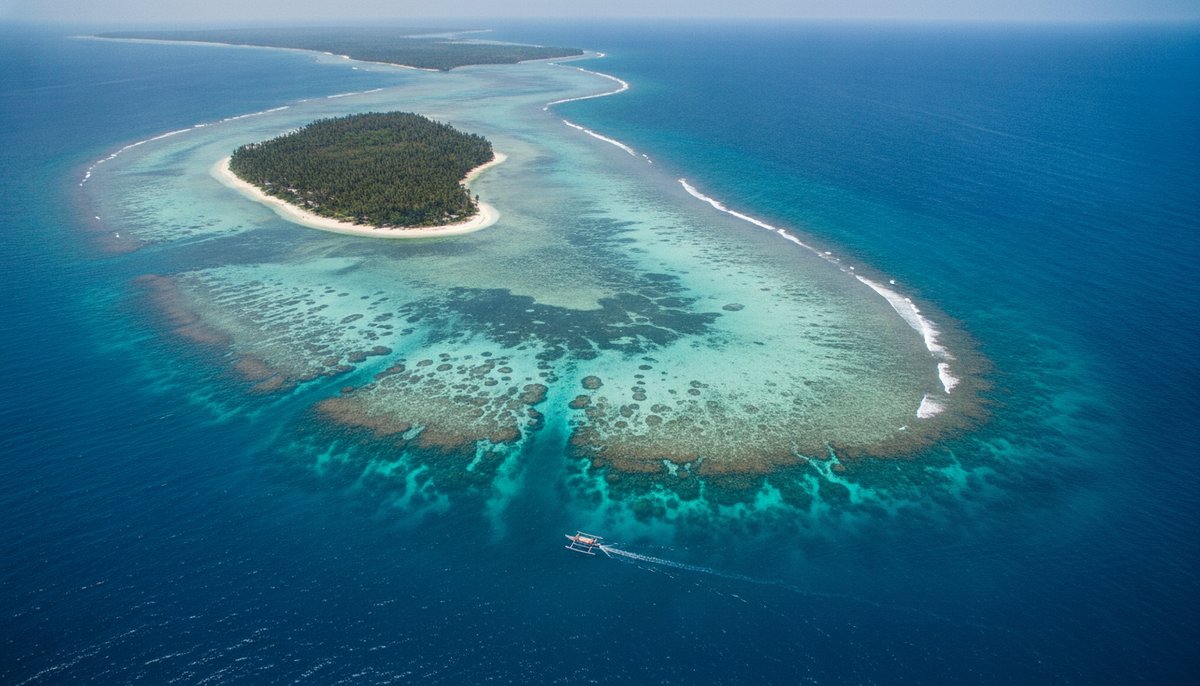
The warm channel between Sainte-Marie and the mainland is the main stage for whale watching. Its sheltered waters draw the whales back year after year to raise their young.
Because the channel stays narrow, the animals often swim very close to the coast and within sight of land. On peak days you can even catch spouts and breaches from a headland or a terrace. A boat, though, is what brings you within a few metres of the action.
Departures leave from Ambodifotatra, the small island capital that faces the channel. The main watching zone sits just off the sheltered west coast, a short run from the harbour. You lose almost no time reaching the whales, and calm mornings keep the crossing smooth.
Why the whales come to Sainte-Marie
These humpback whales travel thousands of kilometres from the cold Antarctic waters to breed here. The Sainte-Marie channel offers the warmth and calm their newborns need.
The females give birth in the sheltered water, then nurse their calves for weeks. Males follow to court and compete, filling the sea with their long, haunting songs that carry for miles. This gathering turns Nosy Boraha into a natural nursery each winter. The same warm, shallow channel has drawn the herd back here for countless generations.
What you will see: humpback whales up close
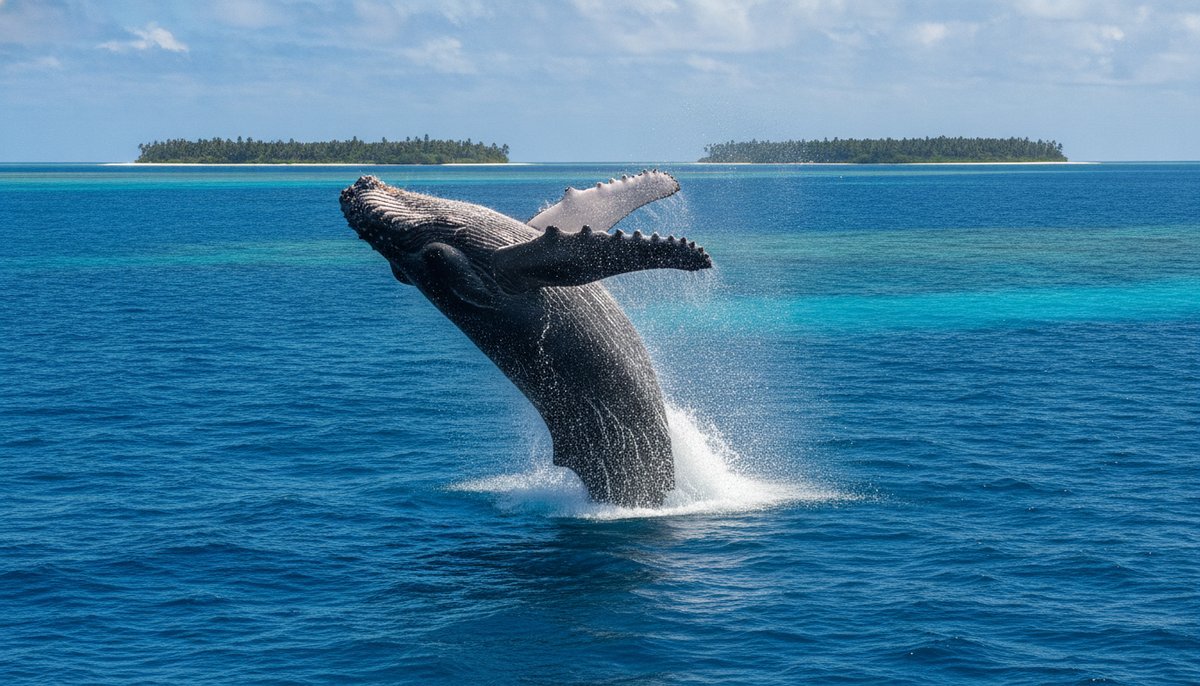
You come for humpback whales, and their acrobatic behaviour is the real show. These giants reach fifteen metres and move with surprising grace.
Watch for the explosive breaches that throw a whale clear of the surface. Tail slaps, pectoral-fin waves and towering blows follow for long minutes. The sight of such power a few metres away is unforgettable.
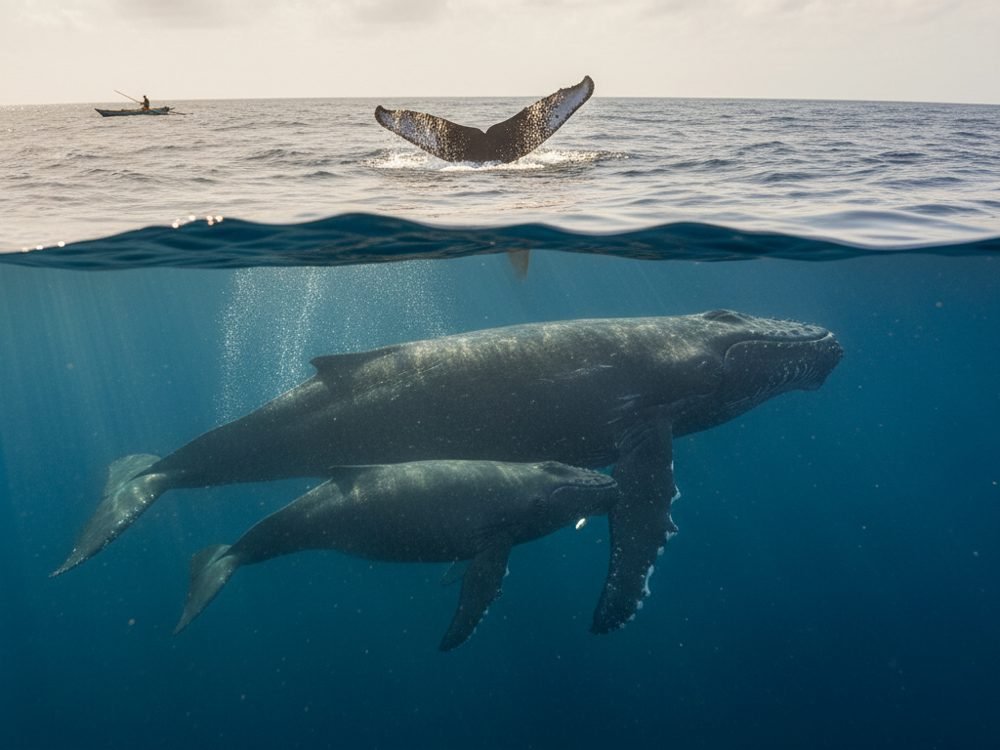
In August the mothers and calves move into the calmest water near the coast. A newborn stays glued to its mother while it learns to breathe and dive. Seeing this pair up close stays with you for life.
Bring a camera, yet keep your eyes on the living moment too. A sudden breach is hard to catch on screen, and the memory often beats the photo. Listen as well, because the deep song of the males can carry through the hull.
💡 Expert tip
Go out early in the morning, when the sea is calmest and the light is soft. Whales stay active at dawn, and flatter water means a steadier boat and clearer sightings.
Other marine life on the trip
Whales are the headline, but the channel hides plenty more life along the way. Many outings turn into a wider wildlife safari at sea.
Pods of playful dolphins often ride the bow waves beside the boat. Sea turtles surface for air, and flying fish skim the swell. A snorkelling stop can add reef fish and coral to the day. Many trips also pass close to the tiny islet of Île aux Nattes on the way back to port.
From a boat or from the shore?
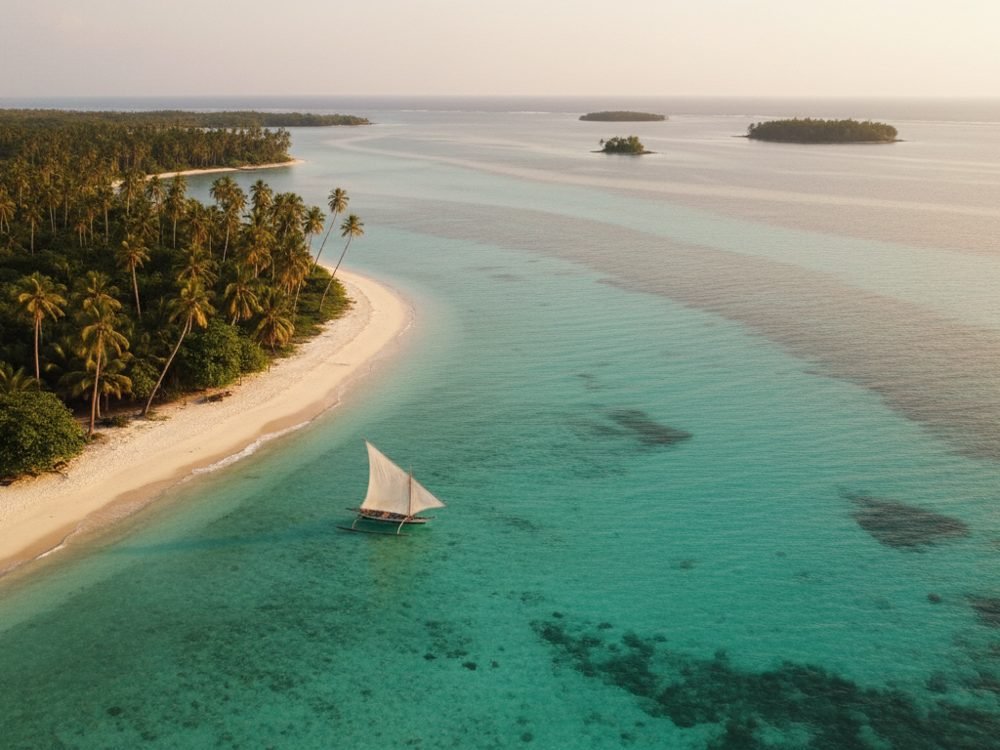
Going out by boat delivers most of the close encounters, yet the coast can still surprise you. Each option offers a different kind of moment.
A boat lets the crew read the spouts and approach under the watching rules. You end up close enough to hear the blows and see the barnacled skin. This is the encounter most travellers came for.
From land, the busiest August days can still reward a patient watcher. Scan the channel from a viewpoint or your terrace and a distant breach may appear. Binoculars and a calm sea make all the difference.
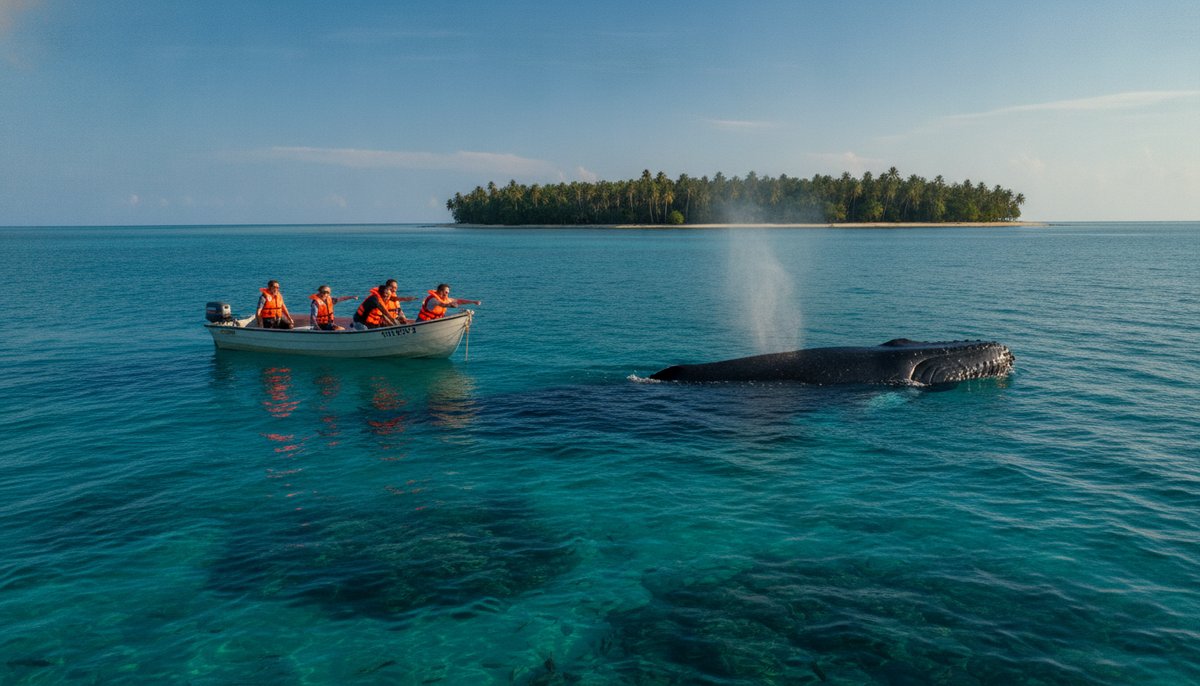
How a whale-watching trip works
A typical outing is a half-day boat trip from the port of Ambodifotatra. The rhythm is simple and suits every age.
You board a small motorboat with a skipper and a local guide. The crew tracks spouts on the horizon, then approaches slowly and cuts the engine. You watch, drift and wait for the whales to surface again.
Plan for around three hours on the water, sometimes with a snorkelling stop over a reef. Prices stay reasonable and usually cover the boat, the fuel and the guide. Confirm every detail with your operator before you leave the dock.
A good guide makes the difference between a fair trip and a great one. They read the sea constantly, predicting where a whale will surface and explaining each behaviour. Their local knowledge turns a random search into a steady stream of sightings.
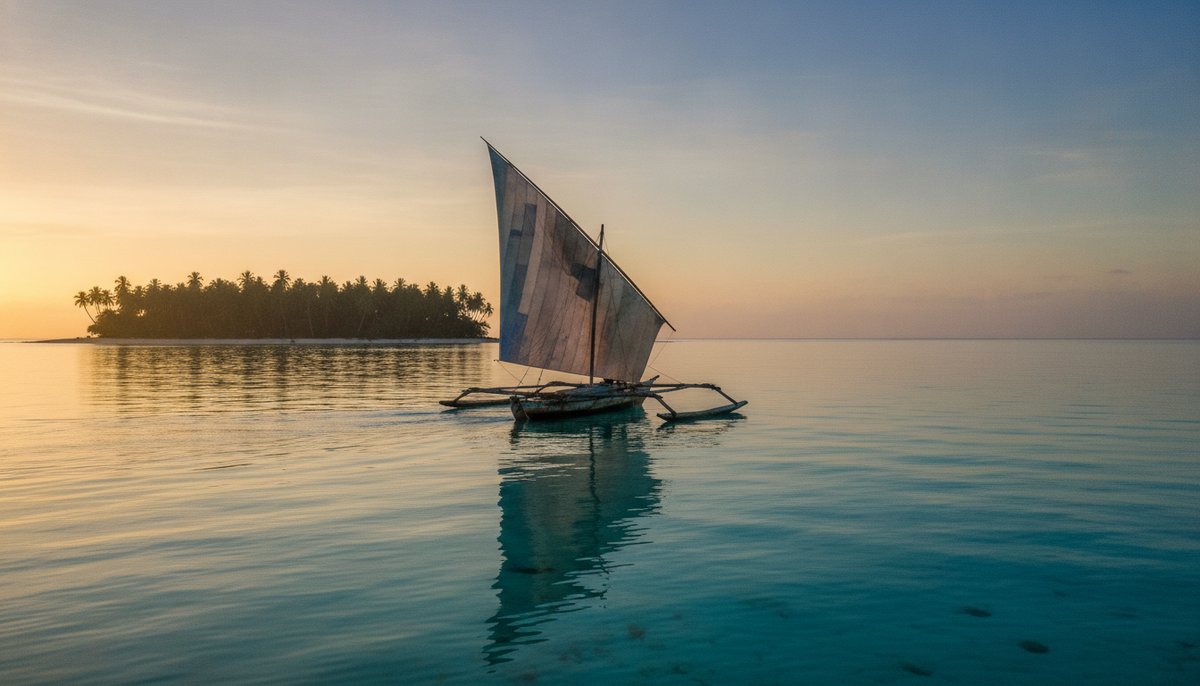
💡 Good to know
Trips run on the weather, not the clock. A rough morning can push your departure by a few hours or to the next day. Keep your whale outing early in your stay to leave room for a second try.
Booking your whale-watching excursion
Booking a day or two ahead matters most in August, when the good boats fill fast. A morning slot is worth locking in early.
The simplest route is to book through your host directly, since they know the reliable skippers. You skip the dockside touts and secure a proper boat. For the ideal dates, see our guide on the best time to watch the whales.
The migration even earns its own celebration, the Sainte-Marie Whale Festival. It pairs music and culture with the height of the season and draws visitors from across Madagascar.
Responsible whale watching
A good trip keeps its distance and never chases the whales. Nosy Boraha protects its animals, and the best operators respect the code. A calm approach guards both the whales and the quality of your encounter.
By law, boats hold a set distance from every group and idle their engines nearby. They also cap how many boats gather around the same whales. Your guide follows these rules from start to finish.
Choosing a respectful operator counts as much as the sighting itself. Calm, patient boating protects the whales and gives you a better encounter. It keeps this experience alive for the seasons to come.
⚠️ Warning
Avoid any boat that races toward whales or crowds a mother and her calf. This stresses the animals and breaks the local rules. A responsible skipper waits, holds distance and lets the whales set the pace.
What to bring on your outing
Pack light, yet pack with care for a few hours at sea. A short checklist saves the day.
Good sun protection and water top the list, along with a light jacket for the spray. Seasickness tablets help if you are prone, and a waterproof pouch protects your phone and camera. Add a swimsuit if a snorkelling stop is on the plan.
Whale watching from your base at La Colombine
Staying in Ambodifotatra puts you minutes from the harbour where the boats leave. The morning outing becomes an easy part of your day.
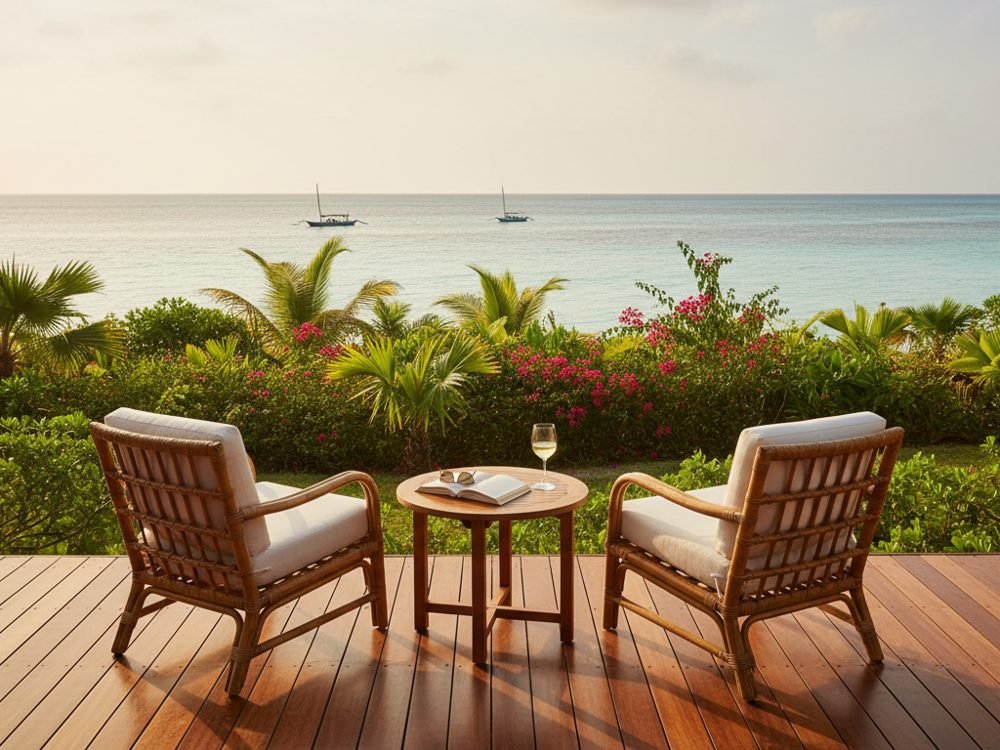
Our sea-view apartments sit close to the port, so you join the trip and return to your terrace afterwards. We steer you toward trusted local operators and help you fix the timing. You can even pair the outing with a slow day on Île aux Nattes.
Ready to meet the whales of Nosy Boraha? Book your stay at La Colombine and set your outing for the calm of early morning. You wake up by the sea, only steps from the boats.
✅ Key takeaways
- Season runs July to September, with the peak in August
- Humpback whales breed in the sheltered Sainte-Marie channel
- Half-day boat trip from Ambodifotatra, about three hours
- Book ahead in peak season and choose a labelled operator
- Keep your distance — responsible watching comes first
Frequently asked questions
When can you see whales in Sainte-Marie?
Whales visit from July to September each year, and August is the clear peak. For a month-by-month view, read our guide on the best time to watch the whales.
Can you see whales from the beach?
Yes, on the most active days of the season, when spouts or breaches show from a headland or terrace. A boat still brings you far closer.
How long does a whale-watching trip last?
Most outings run for about three hours on the water, a half-day trip from Ambodifotatra. Some add a snorkelling stop over a nearby reef.
How much does whale watching cost in Sainte-Marie?
Prices stay reasonable for a half-day and vary with the boat and the group size. Your host can share current rates and book a trusted operator for you.
Is whale watching suitable for children?
Yes, on the calmest mornings at sea, with sun protection, water and seasickness tablets. Pick the earliest, flattest departure for young ones.
Related reading: Best time to watch the whales · How to get to Sainte-Marie
Book your stay at La Colombine
Discover our three luxury apartments with ocean view in Sainte-Marie.
Ready to escape?
Book your stay at La Colombine
Real-time availability, best rate guaranteed — book directly with us, we welcome you with the same care.